iWork for iCloud
It seems like it was just a matter of time before Apple coordinated its iCloud technology, currently used for bringing media stored in iTunes (music, movies, tv shows, etc.) to all your Apple products, with its iWork platform- syncing Apple’s version of Microsoft Office to iPhones iPads and Macs alike.
Notice that, I referred to iWork as Apple’s version of Office, as it very may well be the only thing that Microsoft does better than its Silicon Valley competitor. It’s unusual to think about Apple as a little brother, or an inferior, for lack of a better word, in any product that is knighted with the bite-missing Apple symbol; and it appears that the head honchos of Apple will be putting an end to Microsoft’s control of work documents in the Fall- restoring order to the world.

The implementation of iWork with iCloud will be game changing, swinging the proverbial momentum in favor of Apple. Whereas one would previously have to transfer files via email or convert documents into a Google Drive in order to access them away from the office, classroom or kitchen table, with iCloud files stored through Pages, Numbers, or Keynote can be accessed on all devices. So, no more searching through emails, or rummaging through Google Docs, just simply open the desired application and choose your document, accessing the file like a song you purchased on your iPad and played on your iPhone.
The most unnerving aspect of “iWork for iCloud,” for Microsoft at least, is that it will bring Pages, Numbers, and Keynote to PC’s as well. But can the tides turn that rapidly? Can this relationship in which Microsoft had its hands in Apples cookie jar all of sudden flip to where Microsoft is groping at thin air, while Apple enjoys all the spoils?
Until next time,
Kelli Richards, CEO of The All Access Group, LLC
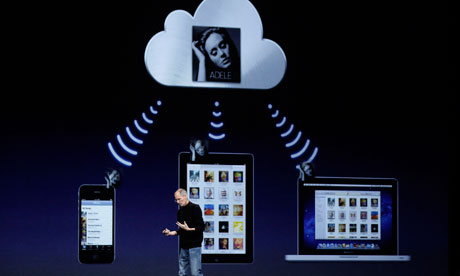 iTunes may be one of the best products that Apple ever developed, or at the very least, one of the smartest. Just a few weeks ago Apple released iTunes 11 with a myriad of visual and technical changes and improvements. iTunes will turn 12 years old in January, and in those years Apple has found a way to streamline, connect, condense, and centralize a user’s content and multimedia experience. With that in mind, I think it’s worth looking at a few of the existing features, the new ones in iTunes 11, and the future ones planned for next year to see just how they’ll continue to do that.